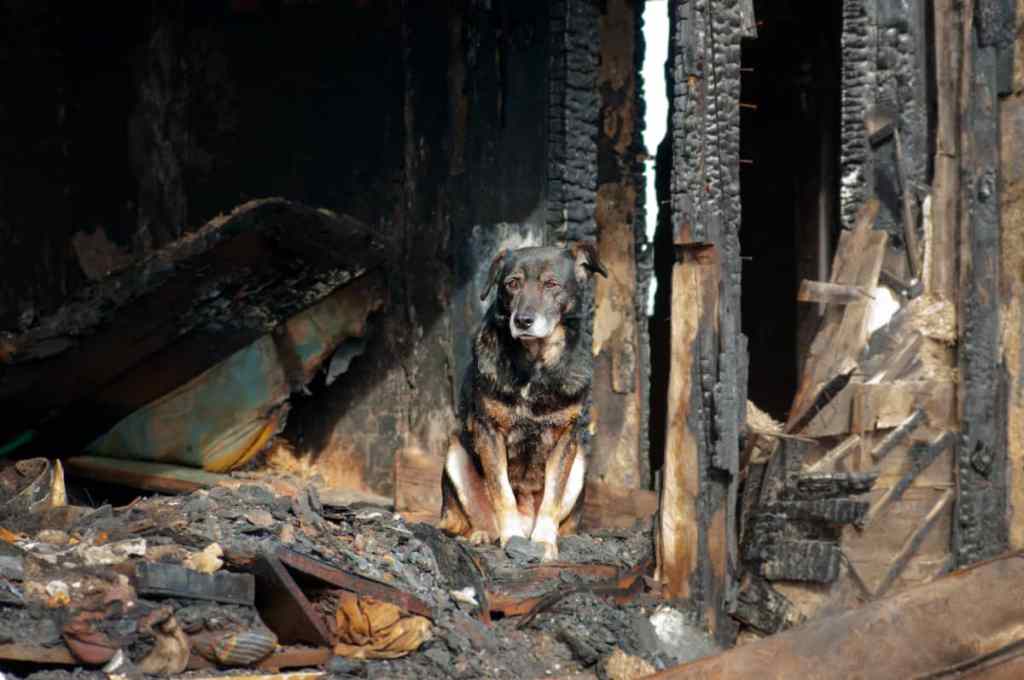
During and following the large wildfires that devastated Maui almost one year ago, many animals were negatively affected. The impact on these animals ranged from domesticated animals being displaced and their homes being destroyed to wildlife habitats being scorched.
In August of 2023, wildfires wreaked havoc across the island of Maui. Thousands of homes were destroyed and families displaced, as well as hundreds of people being injured and 101 killed. Needless to say these fires were nothing short of devastating. Animals were also severely affected. Domesticated animals were displaced from their homes and in some cases separated from their families, while wild animals were driven from their habitats due to their natural environment having been scorched by the destructive fires. This is not the first Frost Fund blog covering the topic of wildfires, and the wildfires on Maui were especially destructive, however, it does provide us with a potential opportunity to create some good from something bad and learn how we can prevent such an event, as well as how to assist domesticated and wild animals who might be negatively affected by natural or man made disasters.
First up, how were domesticated animals impacted by the fires? Household animals like dogs and cats were displaced by the thousands. Animals that were separated from and not immediately reunited with their families had to be taken into animal shelters. This posed a major problem for Hawaii’s already overcrowded animal shelters. There were two major solutions to this issue of overcrowding: Sending animals to shelters with room out of state, and volunteers who offered to foster animals. Without the combined effort of volunteer fosters and animal shelters both in and out of state, many animals would have never had a chance to return home.
Domestic animals weren’t the only animals affected however. Wildlife was also majorly impacted by these wildfires in similar ways (being displaced with their “homes” destroyed) while also facing their unique set of challenges in that an entire ecosystem takes much longer to repair than a house. One ecosystem that is being affected is the coral reefs off the coast of the island. Due to the effects of coral bleaching (similar to those discussed in our previous blog post) the coral is less resilient to pollutants. This is troubling because the fires cause increased erosion and runoff into the ocean which will also pollute the water with debris. These fires have not only scorched the wilderness that many species call home, but also have damaged the aquatic habitats of the local sea life.
What can we gain in the aftermath of this terrible destruction? We must take the knowledge that will not only help us prevent another similar event from happening, but also allow us to better help animals in similar and different situations. For example, we can clearly see that any amount of help and aid we give to our local shelters, helps animals all over the country. Trying to fix the shelter system of the entire country or entire states is extremely intimidating and difficult, but helping out your local shelters may save the life of an animal on the other side of the continent. Additionally, protecting our wildlife and their habitats, like coral reefs and forests, can help limit the damage of disasters like wildfires that will end up affecting humans and animals regardless if they live in that environment or not.
The wildfires in Maui reaffirms Frost Fund’s approach to saving animal lives: every life is important and no positive impact is wasted. Seemingly unrelated factors like fostering animals, funding shelters, and even the shelter systems in states like Oregon and California all helped to save lives and lessen the negative effects of the wildfires. When you donate to and support organizations like Frost Fund you are not just helping us save one or even a few animals. If we save one animal, that is not just one life saved, that is the opportunity for more resources to be available from other organizations to save more lives.
- Zelle: teamfrostfund@gmail.com (Preferred because it doesn’t charge us service fees to withdraw.)
- Venmo: @frost_fund
Make a one-time donation
Make a monthly donation
Make a yearly donation
Choose an amount
Or enter a custom amount
Your contribution is appreciated.
Your contribution is appreciated.
Your contribution is appreciated.
DonateDonate monthlyDonate yearlyImage Credit: Yahoo!Life
 Frost Fund
Leave a comment