The process of rescuing a dog from an animal shelter is amazingly rewarding, but also takes patience and commitment. Luckily, there are some key factors to look out for that can help make this process smoother.
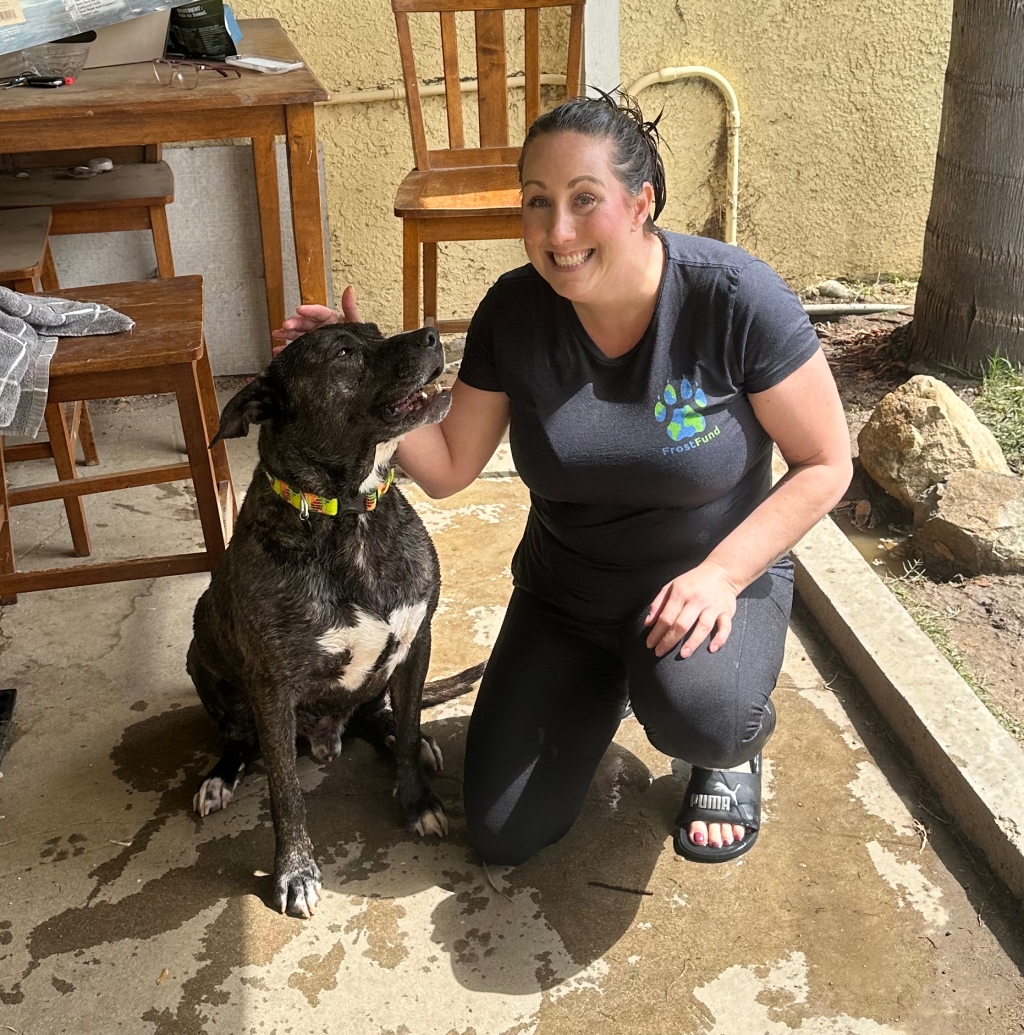
Adopting an animal from a shelter is an amazing experience like no other. This process is often filled with lots of emotions, moving parts, and important decisions. While this is exciting, and the end reward is beyond worth it, there will also be important periods of learning. Thankfully there are certain factors to consider that can significantly reduce stress or uncertainty that may arise during the integration of a new family member. To share some of these tips, we interviewed Ashleigh, who has adopted and fostered red listed dogs through Frost Fund.
As Ashleigh shares: First and foremost, it is important to have realistic expectations of yourself and the dog you are interested in adopting. If one enters into a situation looking to adopt an animal they cannot handle, or unknowingly bring that animal into a an overwhelming household, there is destined to be unnecessary stress and potential disappointment. There is nothing wrong with understanding there are certain dogs that may not be suitable for your home or that your home may not be suitable for certain dogs. However, with enough time to decompress and for you and the dog to learn about each other, a beautiful relationship can be established.
A helpful top from Ashleigh is the “three-three-three rule”. This general rule of thumb states that after adopting a rescue it usually takes them three days to decompress, three weeks to get into a routine, and three months to feel fully confident and comfortable in their new surroundings. While every dog is different and some might take more or less time, this tip is extremely important to keep in mind as not every dog will instantly adapt to their new home. However, just because a rescue isn’t instantly comfortable doesn’t mean that they won’t get used to, and grow to love, their new family and environment. What this does mean is that as responsible adopters or fosters, we must be careful to let our guards down with dogs who have lived in shelters their whole lives while they learn what love truly means. They might have triggers we are unaware of from their past shelter lives that are important to consider and may arise at unexpected times. Ultimately, it is up to committed fosters and adopters to set them up for success.
Every animal is different and rescues come from all varieties of circumstances, so no two adoption experiences will be exactly the same. Keeping the previous factors in mind, however, can provide a little more structure and coherence to the process, while also making it more manageable. If you would like to hear more from Ashleigh about her experience rescuing dogs and her tips regarding it, you can check out our recent interview with her via a clip from the YouTube video below.
Image Credit: Getty Images
 Frost Fund
Leave a comment