Enrichment consists of activities captive animals can partake in that stimulate them mentally, socially, and physically. So, what are the five main forms or enrichment and what impact do they have on the lives of wildlife? And how is Frost Fund taking action to help enrich the lives of wildlife?
It is no secret that wild animals in captivity require specific attention and care to keep them healthy. However, most people do not realize this care goes beyond just providing them with a safe environment and food to consume. Mental and physical stimulation is extremely important to the well-being of animals being cared for in zoos, aquariums, research centers, and sanctuaries. Such mental and physical stimulation can be fulfilled through practices known as enrichment.
There are five main types of enrichment that aim to accommodate the various needs animals in captivity have. The first type is habitat enrichment which consists of where an animal lives in captivity and how well it replicates the natural environment that animal would enjoy within the wild. For example, a jaguar is an animal that is used to having lots of territory to roam, places to hide, as well as having plenty of trees to climb. If a jaguar in captivity were to be placed in an open field, it would likely become very stressed within this unfamiliar environment, as well as being under stimulated with the lack of opportunities for activities this environment would provide.
Another form of enrichment is sensory enrichment. Sensory enrichment involves exposing animals to smells, sights, and sounds that they would encounter in their natural environment. This sensory stimulation encourages these creatures to engage their brains to figure out and investigate whatever they may be smelling, hearing, or seeing.
Additionally, food enrichment is vital to keeping enclosed wildlife in good mental and physical shape. Food enrichment is accomplished by not only feeding animals the proper nutrients, but also encouraging animals to work for their food. For example, hiding food, requiring animals to solve food puzzles, or providing unique food item incentivizes encourages captive animals to exercise both their bodies and minds in order to get their next meal; just like they would in the wild.
Toys also play a crucial role in enrichment, especially for mental stimulation. Toys allow for a diverse amount of mental and physical experiences and entertainment that animals in enclosed settings must be offered. Toys are often combined with food in a way where an animal has to manipulate the toy or solve some kind of puzzle in order to extract the food.
This goes hand-in-hand with cognitive enrichment which focuses on mental stimulation by providing unique experiences to animals. Examples of cognitive enrichment include things like mirrors, training, and different tasks they can work to accomplish.
Compared to how important enrichment is, it is seldom discussed. Animals in captivity or rehabilitation settings, just like us, require physical and mental stimulation. Our wild friends are not suited to simply live in repetitive environments following the same routines each day.
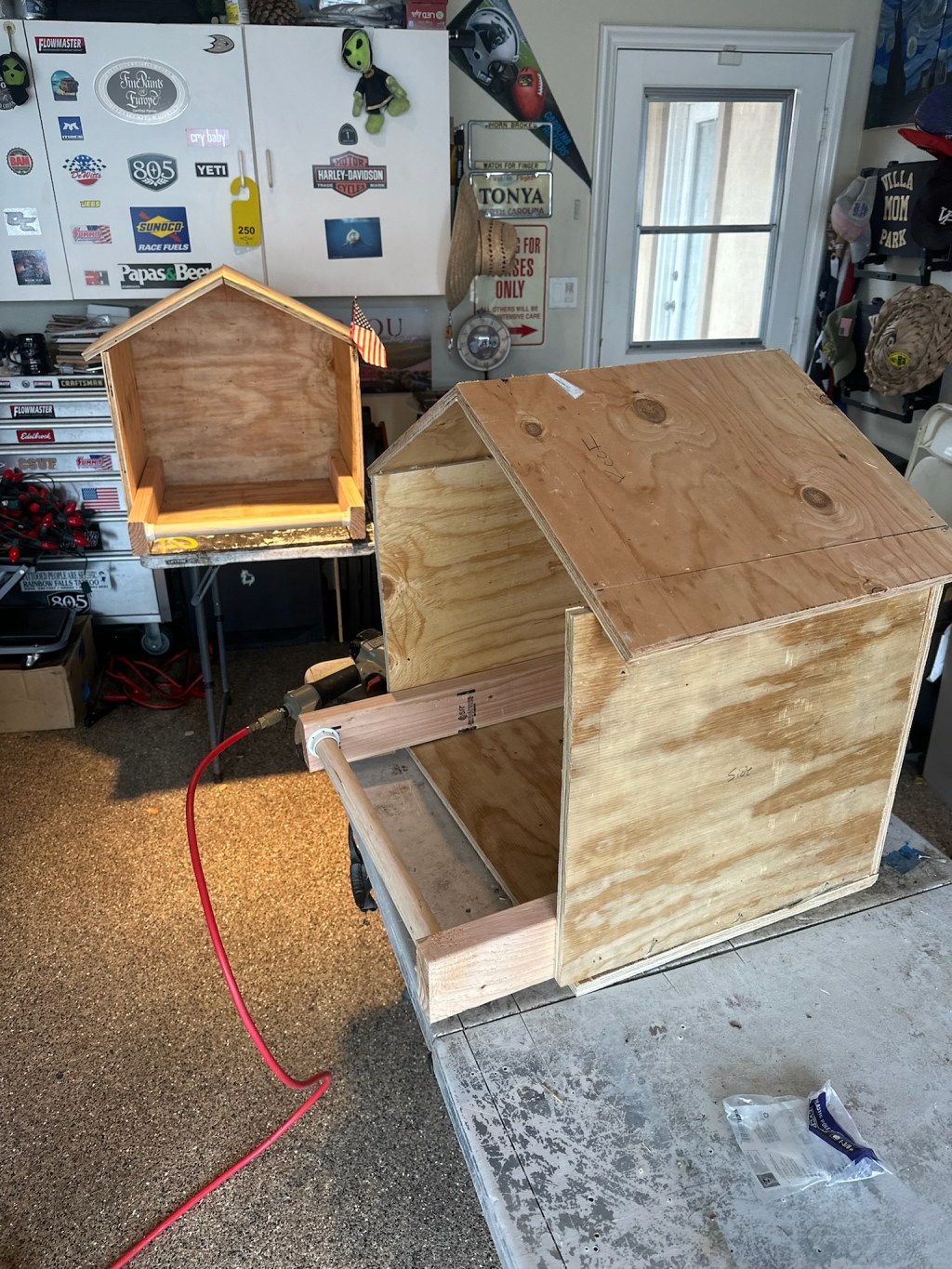
Of course, all of these forms of enrichment require resources and enrichment items to fulfill. Currently, Frost Fund is providing enrichment donations to the California Wildlife Center and we will be publishing more content surrounding the enrichment of wild animals soon!
 Frost Fund
Leave a comment