How poaching harms more than just the species hunted.
Poaching has long been an issue plaguing animals in all parts of the world. There are many different reasons as to why certain animals in varying regions are illegally hunted. However, it is not uncommon for select species to become classified as endangered or even to go extinct as a result of poaching. Not only is poaching an inexcusable crime, but the act of unnecessarily killing keystone species poses a greater threat to the entire ecosystem.
Animals that are hunted illegally are considered rare, desirable, or even to have culteral/medicinal value. However, the very act of hunting such important species continues to increases their rarity and demand.
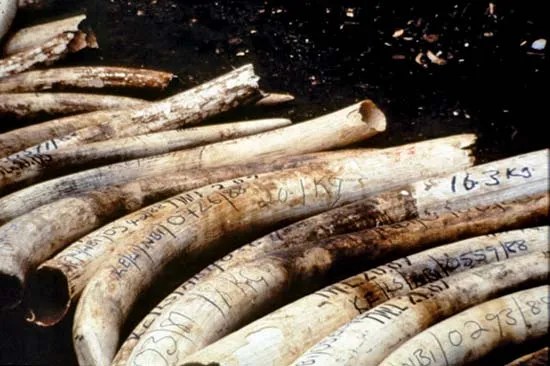
For example, rhinos and elephants in Africa are poached for their ivory, which is then used for decorations and falsely claimed medicinal purposes. These animals are often killed and suffer for no reason other than making the people who hunt them rich. Their deaths are far from necessary and each life lost jeopardizes the greater habitat.
The impact of poaching does not stop with the killing of individual animals. Poaching threatens already endangered species, and can contribute to the red listing of additional animals.
Additionally, when keystone species are removed by poachers, imbalances and harm to other parts of their ecosystems can occur. For example, plants poached animals consume can become invasive when not eaten at regular rates. This change may not seem serious, but in time can have a trophic level cascade effect. One that harms additional animals who depend on balanced trophic levels for food and resources.
A specific example of this can be seen in the decline of elephants in Africa. Elephants eat and disperse seeds which spread plants. Thus, without elephants, such plants will not be dispersed as efficiently, causing herbivores who depend on their growth to starve. As a result, higher level predators who rely on the herbivores as a food source also risk starvation. This is just a single example of how the endangerment or loss of one species can impact an entire ecosystem.
However, there is hope! Poaching remains illegal and there are many organizations focused on stopping these horrendous crimes. A few examples of such organizations are the World Wildlife Fund , the International Anti-Poaching Foundation, Soldiers for Wildlife, and more.
Many countries including The United States have banned the sale of products obtained from poaching, which helps to devalue animal products and lessen the market for resources gained from poaching. Another tactic successfully being utilized to combat poaching is increasing the severity of the penalties of poaching, arming rangers in the field, and placing a greater emphasis on gathering evidence to convict poachers.
In sum, poaching is a major threat to both endangered animals as well as the ecosystems in which they reside. Illegal hunting is not beneficial for animals, humans, or the environment. Nor is it morally justifiable in any capacity. It is our responsibility to be aware of the problem, to make wise purchasing decisions without animal products, and to support organizations on the front lines of anti-poaching efforts.
Image credit: WWF
To view more about a collaboration our Frost Fund CEO had with Rhino Horn Coffee; a company supporting anti poaching efforts, check out the video below.
 Frost Fund
Leave a comment